- Keranjang Anda Kosong
- Lanjutkan Berbelanja

#1 Toko Musik & Pro Audio Terlengkap di Indonesia
Rp 2.136.050Harga saat ini adalah: Rp 2.136.050.Rp 2.513.000 Harga aslinya adalah: Rp 2.513.000.
Ketersediaan: Pre-order
Inquire About This Product Dapatkan 21360 M-Points Pada Pembelian Produk Ini!
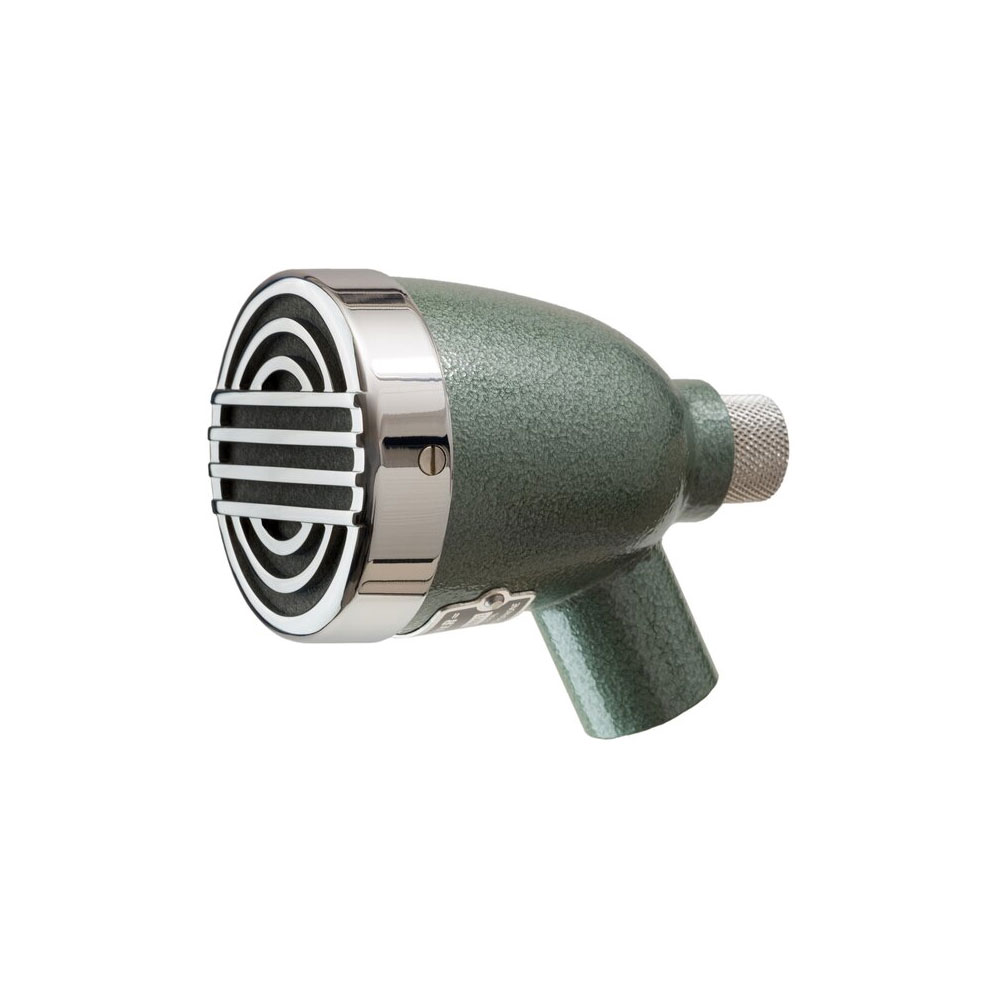
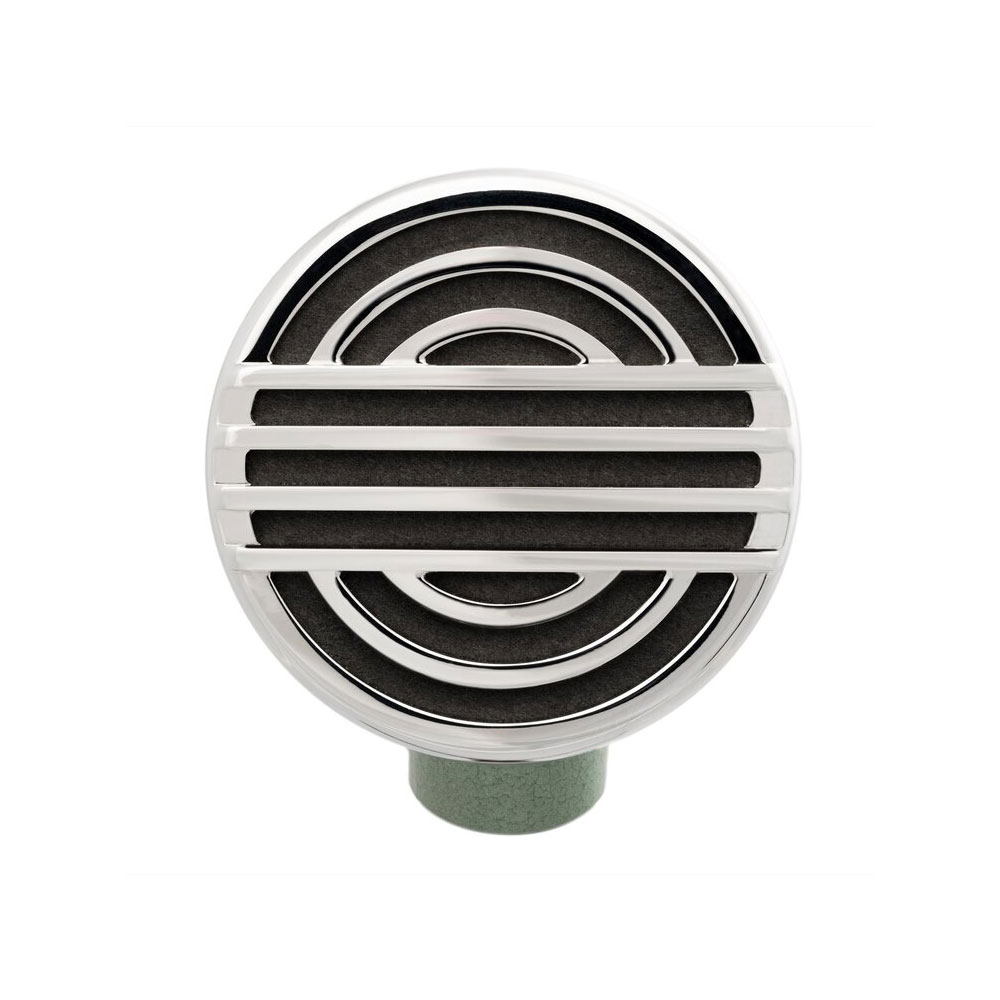
Introducing the Harp Blaster HB52 dynamic harmonica microphone: an exciting collaboration between HOHNER and sE Electronics.
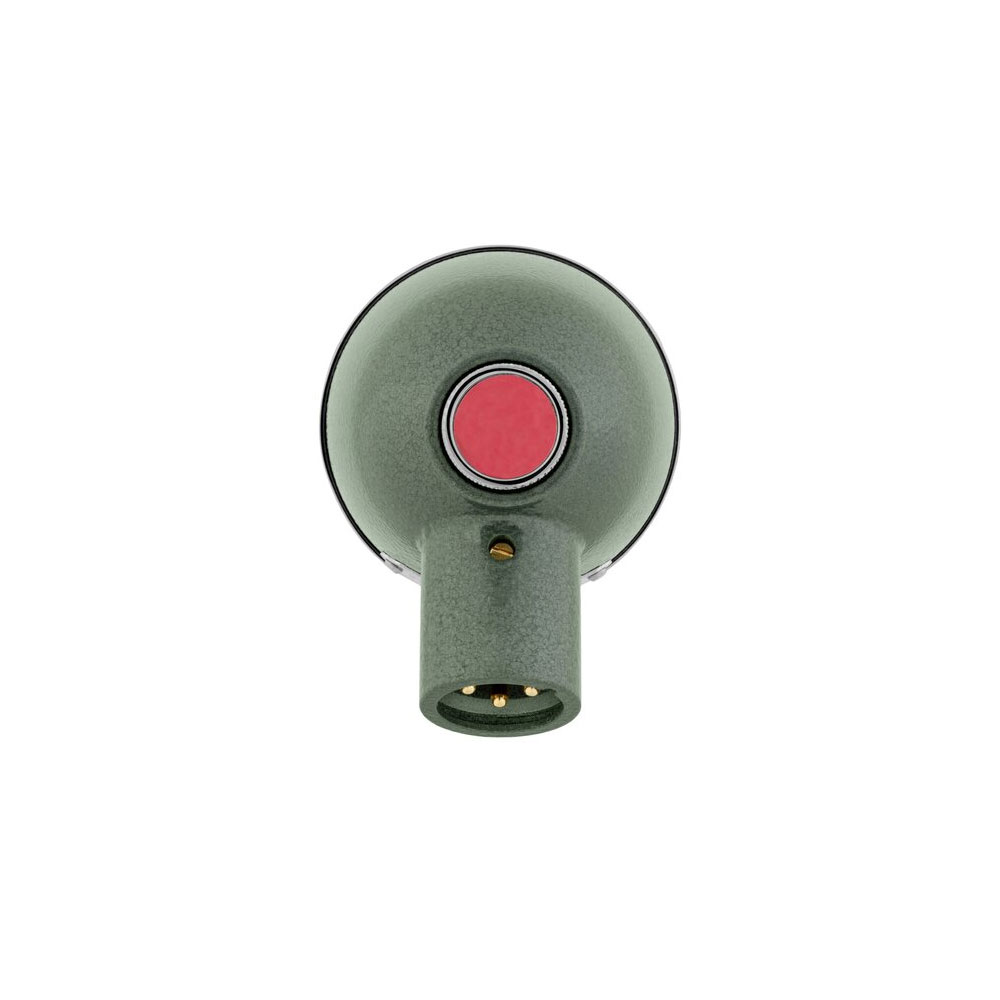
The mic features a volume control utilizing a Bourns® potentiometer and a diamond-pattern knurled chrome knob, making it slip-proof and reliable. If you’d prefer not to have a volume control, it can be disabled internally.
We opted to use an XLR jack, as opposed to an attached cable, a 1/4” jack or a screw-on connector, to avoid a common Achilles’ heel among harmonica microphones. An attached cable can easily suffer a broken solder joint, transforming the mic into a paperweight until it can be repaired. An XLR jack provides better connectivity, that won’t become noisy or fussy over time like a screw-on connector or 1/4” jack, and its internal locking mechanism adds extra signal security – in case the cable gets tugged, snagged, or stepped on. However, the locking mechanism of the HB52’s XLR socket is also easily disabled, if that’s your preference.
As mentioned earlier, this microphone is not delicate. In the throes of performing, you can drop it, kick it, and/or drive nails with it. It is built to be a roadworthy tool. Just do us a favor and don’t submerge it in boiling water, or anything similarly ridiculous. Barring that, it should last a lifetime!


Capsule Type: Dynamic
Voice coil: Copper
Magnet: Neodymium
Frequency range: 22 Hz – 16,000 kHz
Sensitivity: 17.8 mV/Pa (-35 dBV)
Electrical Impedance: 45 kOhms
Connectivity: 3-pin male XLR connector
Diameter: 50mm (1.97 in)
Length: 78mm (3.07 in)
Weight: 205 g (7.23 oz.)
| Berat | 1 kg |
|---|